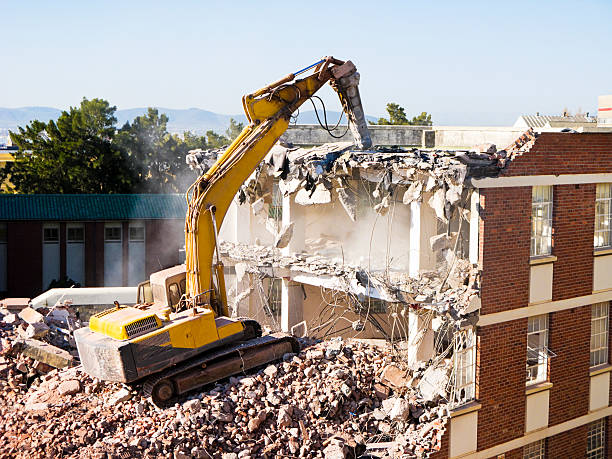
When it comes to demolishing a building, one of the most crucial aspects of the process is securing the proper permits. Demolition permits are legal documents granted by local authorities that authorize the tearing down of a structure. Obtaining these permits is a vital step, as it ensures the demolition complies with local building codes, environmental regulations, and safety standards. Understanding the permitting process and its requirements is essential for anyone involved in a ทุบตึกฟรี demolition project, whether a contractor, property owner, or developer.
The first step in obtaining a demolition permit is to submit an application to the local municipality or governing body responsible for overseeing building regulations. The application will require detailed information about the structure to be demolished, including its location, size, construction materials, and purpose of demolition. In addition to these basic details, applicants may also need to provide documentation related to the building’s ownership, proof of insurance, and an assessment of any hazardous materials present, such as asbestos, lead, or mold. Depending on the area, these permits may also require the submission of a detailed demolition plan, which outlines the methods and safety protocols that will be used during the demolition.
One of the most important aspects of securing a demolition permit is ensuring compliance with local zoning and environmental laws. In many cases, demolition projects are subject to zoning regulations that dictate what type of construction is allowed in a particular area. For example, a property in a residential zone may not be eligible for a demolition permit if the new construction would change the zoning of the area. Additionally, environmental considerations play a significant role in the permitting process. If the building contains hazardous materials, like asbestos, the permit may require the property owner or contractor to take additional precautions, including professional removal and disposal of these materials in accordance with health and environmental safety guidelines.
In many cities and municipalities, the permitting process for demolition also involves notifying the surrounding community or neighbors. Local regulations may require property owners to inform nearby residents of the demolition through posted notices or public hearings. This gives the community an opportunity to voice concerns or objections, particularly if the demolition could affect local traffic, air quality, or noise levels. This transparency ensures that the demolition process is not only legal but also considers the impact on the local environment and the people living nearby.
Once the proper permits have been obtained and the demolition plan is approved, it’s essential for the demolition work to be carried out according to the outlined plans and safety standards. Failure to comply with permit conditions can result in fines, delays, and even legal action. Additionally, in some cases, an inspection may be required before or after the demolition to ensure that the work has been completed safely and in line with the approved plans. Contractors and property owners must be diligent in following all requirements set forth by the local authorities to avoid complications during the demolition process.
In conclusion, securing the necessary permits for building demolition is an essential and legally required part of the process. It ensures that demolition is carried out safely, responsibly, and in compliance with local regulations. The process involves submitting detailed applications, adhering to zoning and environmental laws, and notifying the community of the upcoming demolition. By understanding the complexities of demolition permits and adhering to all necessary steps, property owners and contractors can ensure that their projects move forward smoothly while avoiding costly legal or safety issues.