Paragraph 1: A Psychedelic Icon Shrouded in Mystery
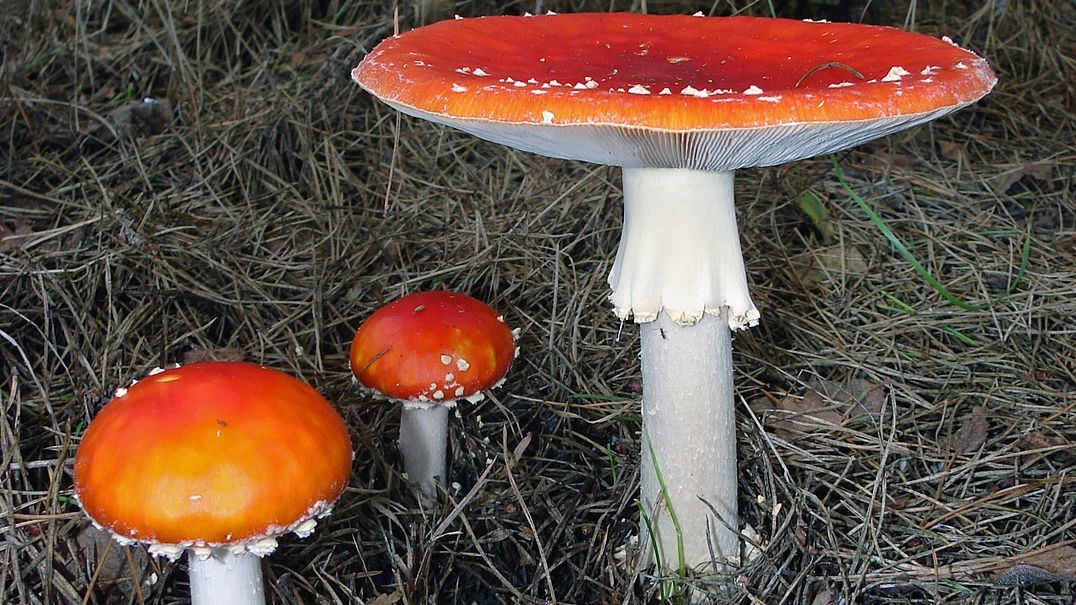
Amanita muscaria, with its unmistakable red cap and white speckles, is one of the most iconic mushrooms in the world. But beyond its striking appearance lies a deep and often misunderstood relationship with human consciousness, spirituality, and ritual. For centuries, this mushroom has appeared in myths, religious rites, and shamanic journeys—especially in culture amanita muscaria kappen kaufens where altered states of awareness were seen as gateways to deeper truths. In this article, we’ll explore how Amanita muscaria has played a unique role in the history of human thought and its exploration of the inner world.
Paragraph 2: The Shamanic Connection in Siberia
Perhaps the most well-documented historical use of Amanita muscaria comes from the indigenous tribes of Siberia. For these shamanic cultures, the mushroom was not just a plant—it was a spiritual tool. Consumed in ritual contexts, it was believed to grant visions, allow communication with spirits, and facilitate healing. The shaman, often the central figure of a tribe’s spiritual life, would consume the mushroom to enter trance states, guided by drumming, chanting, and centuries-old traditions. These experiences were not recreational; they were sacred, controlled, and often passed down through generations.
Paragraph 3: A hidden Role in Indo-European Religion?
Some scholars have theorized that Amanita muscaria may have played a key role in ancient Indo-European spiritual practices. One of the most intriguing theories links the mushroom to Soma, the mysterious plant mentioned in the ancient Indian Rigveda texts. Soma was described as both a deity and a sacred drink that granted immortality and divine insight. While the true identity of Soma remains unknown, several researchers have proposed Amanita muscaria as a likely candidate, given its psychoactive properties and prevalence in the regions where these early civilizations thrived.
Paragraph 4: Norse Myths and Warrior Rage
In Northern Europe, Amanita muscaria has been speculated to have influenced Viking culture, particularly the legend of the berserkers—fierce Norse warriors said to enter battle in a trance-like fury. Though not definitively proven, some historians believe that the consumption of Amanita muscaria might explain the berserkers’ violent outbursts and apparent immunity to pain. The idea is controversial, but it underscores the mushroom’s long-standing association with altered mental states and the blurring of lines between man, myth, and madness.
Paragraph 5: From Pagan Symbolism to Christmas Folklore
The mushroom’s cultural journey didn’t stop with ancient religions—it found its way into Western folklore and even modern holiday traditions. In some parts of Northern Europe, Amanita muscaria was considered a good luck charm and was associated with the winter solstice. Some folklorists suggest that early images of Santa Claus were inspired, in part, by Siberian shamans dressed in red and white who delivered dried mushrooms as gifts during winter celebrations. Reindeer, also native to the region, are known to seek out and eat the mushrooms—sometimes behaving oddly afterward—adding to the speculation.
Paragraph 6: The Psyche and the Present Moment
Today, Amanita muscaria remains a symbol of the unknown. Its mind-altering effects are not as easily categorized as those of psilocybin or LSD; instead, they offer a more dreamlike, sometimes disorienting journey into the subconscious. For modern psychonauts, spiritual seekers, and historians alike, it serves as a reminder that human cultures have long turned to nature for access to the divine, the mysterious, and the transformative. In exploring Amanita muscaria, we’re not just examining a mushroom—we’re walking in the footsteps of those who dared to peer beyond the veil of ordinary perception.