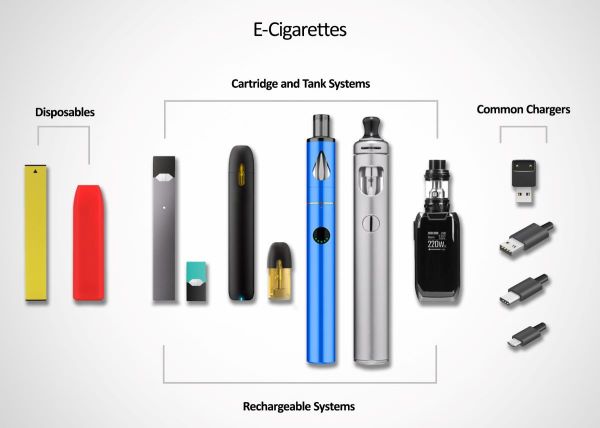
Vaping has become a popular alternative to smoking traditional cigarettes, with many people turning to e-cigarettes in an effort to reduce or quit smoking. The appeal lies in the perception that vaping is less harmful than smoking because it doesn’t involve the combustion of tobacco. While vaping is indeed less harmful Geek Bar Pulse X Flavors Ranked than smoking in certain ways, it is important to understand that it is not without risks. This article examines the health implications of vaping versus smoking, the potential benefits, and the unknowns surrounding long-term use of e-cigarettes.
How Smoking and Vaping Differ: The basics
The fundamental difference between smoking and vaping is the method of delivery. Smoking involves the burning of tobacco, which produces harmful chemicals such as tar, carbon monoxide, and thousands of other toxic substances. These substances are known to cause a wide range of health problems, including lung cancer, heart disease, and respiratory disorders. On the other hand, vaping involves the use of an e-cigarette or vape device that heats a liquid (known as e-liquid or vape juice) containing nicotine, flavorings, and base ingredients like propylene glycol or vegetable glycerin. This process produces vapor instead of smoke, which reduces the number of harmful byproducts created during combustion. Although vaping eliminates many of the harmful chemicals produced by burning tobacco, it still exposes users to nicotine, a highly addictive substance, and other potentially harmful chemicals present in the e-liquid.
The Risks of Vaping: What we Know So far
While vaping is generally considered less harmful than smoking, it is not risk-free. The long-term health effects of vaping are still not fully understood, as e-cigarettes have only been widely used for a little over a decade. However, research suggests that vaping still carries risks, particularly due to the inhalation of nicotine and other chemicals found in e-liquids. Nicotine itself is not only addictive, but it can also raise blood pressure, increase heart rate, and potentially contribute to heart disease. Furthermore, some e-liquids contain chemicals like formaldehyde, acetaldehyde, and acrolein, which are known to be toxic when inhaled. While these substances are present in much lower levels than in cigarette smoke, there is still concern about their potential health impact over time, particularly when inhaled repeatedly.
Vaping as a Smoking Cessation Tool
For many people, vaping is seen as a way to quit smoking. Some studies suggest that e-cigarettes can be an effective tool for smoking cessation, particularly for people who have struggled to quit using other methods. Because e-cigarettes allow smokers to still inhale nicotine while avoiding many of the harmful chemicals found in traditional cigarettes, they can serve as a “harm reduction” strategy. Some smokers use e-cigarettes as a stepping stone to gradually reduce their nicotine intake and eventually quit. The evidence is still mixed, but research shows that smokers who switch to vaping are generally exposed to fewer toxins and may experience some improvements in lung function and overall health. However, experts warn that while vaping may be less harmful than smoking, it is still not a safe habit and should not be seen as a long-term solution.
The Unknowns: Long-Term Health Effects of Vaping
One of the major concerns with vaping is the lack of long-term data. While smoking-related diseases are well-documented, the long-term effects of vaping are still not fully understood. Studies on the health effects of vaping are ongoing, but the absence of conclusive evidence means that it is difficult to predict how vaping might impact users in the decades to come. Some research has suggested that long-term use of e-cigarettes could potentially lead to respiratory issues, such as chronic cough, bronchitis, or lung damage, though these risks appear to be less severe than those associated with smoking. Additionally, there have been reports of severe lung injuries associated with vaping, particularly when users vape black market products or e-liquids containing substances like THC or vitamin e acetate. These incidents underscore the need for regulation and quality control in the vaping industry to ensure user safety.
Conclusion: Is Vaping a Healthier Alternative?
In conclusion, vaping can be considered a healthier alternative to smoking, primarily due to the absence of combustion and the reduced levels of toxic chemicals in e-cigarette vapor. However, it is not without its own health risks, particularly related to nicotine addiction and the potential harm caused by inhaling other chemicals in e-liquids. For smokers looking to quit, vaping may offer a less harmful pathway, but it should ideally be viewed as a short-term cessation tool rather than a long-term habit. Ultimately, the best option for health is to quit both smoking and vaping altogether. While vaping is certainly a less harmful choice for smokers, more research is needed to fully understand its long-term health effects, and it’s important for users to make informed decisions based on the current knowledge available.