Introduction — why this matters now
Have you ever wondered why some shops still wrestle with smoky, smelly work areas despite having modern tools? (I see it all the time.) In workshops and production lines the need for clean air is no small matter — and that is where fume extraction equipment like the laser smoke/fume extractor comes in. Recent on-site checks show particle counts can spike by 5–10x during laser cutting or cleaning runs, and those particles are not just a nuisance — they affect health and parts quality. So what really separates a passable setup from a robust, reliable one?
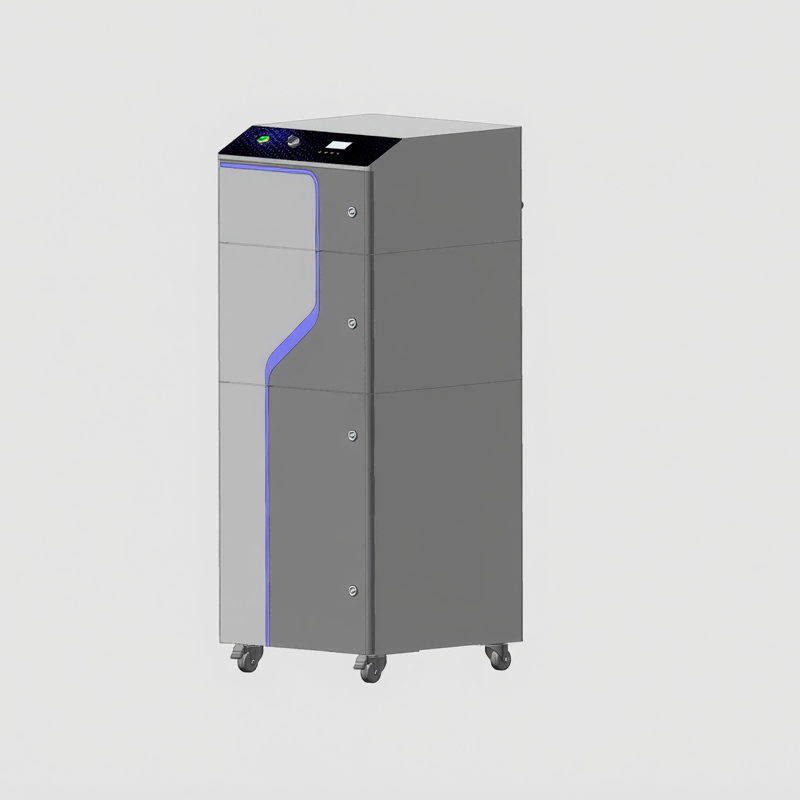
I write from hands-on experience: we have measured capture failures, rerouted ductwork mid-project, and learned where hidden costs hide (and trust me, they hide well). My goal here is pragmatic: compare the common options, point out pitfalls, and give clear measures you can use. I’ll use plain terms — HEPA filter, capture velocity, ductwork — and I’ll be direct where it matters. Ready to get practical? Let’s move to the flaws that usually go unseen — and why they matter next.
Deeper Layer: Why traditional systems fail — the weak links
Let me be blunt: many traditional extraction systems look good on paper but fail in practice. The first 100 days are often fine. Then seals loosen, filters clog, and airflow drops. With a laser smoke/fume extractor you expect consistent capture. Yet common mistakes break that promise. Old-style hoods rely on high suction without matched duct sizing. Result: lost capture velocity and uneven extraction. Add in long duct runs or too many bends — and performance collapses.
Technical note: filters like HEPA and activated carbon are great — but they need proper pre-separation and maintenance schedules. Too often shops skip a cyclone or pre-filter stage, so the main HEPA loads faster than it should. Look, it’s simpler than you think — keep large particulates out first. Other weak links are electrical: undersized power converters or poor fan control lead to unstable RPMs and variable capture. I’ve seen controllers that never calibrate, and edge computing nodes meant to monitor airflow left unused. The result is downtime, repeat work, and complaints — not what you want when deadlines loom.
So what’s the single biggest oversight?
It’s assuming a one-size-fits-all design will work. Every process — laser cleaning, cutting, marking — has its own particle profile and heat load. Failing to match capture geometry, filter staging, and control strategy to that profile causes predictable failure.
Forward-looking: new principles and practical choices
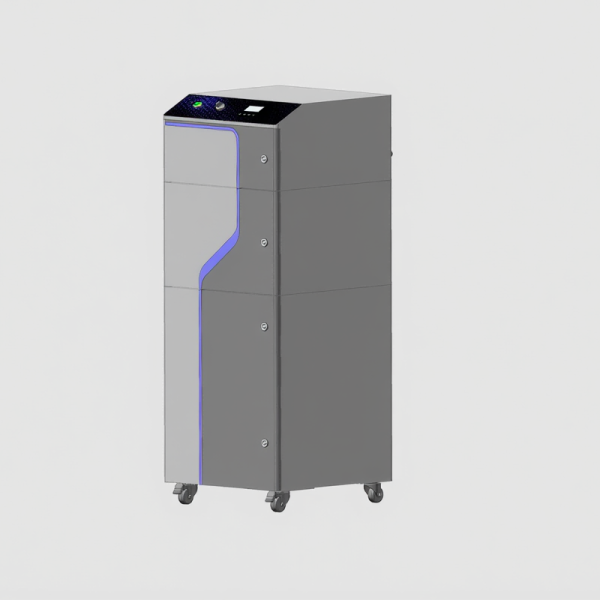
Moving forward, I favor systems built around clear principles: staged filtration, smart airflow control, and measurable performance. Newer laser smoke/fume extractor designs combine pre-separators, cartridge or HEPA stages, and real-time sensors to keep capture steady. They also use variable speed drives and simple feedback loops to maintain capture velocity at the hood. That cuts energy use and keeps filters lasting longer — which your budget will thank you for. — funny how that works, right?
From a practical stance: choose systems with easy access to filters, clear monitoring readouts, and modular duct connections. I recommend looking for units that offer clear metrics: airflow (m3/h), static pressure, and filter differential pressure. These three numbers tell you more than glossy brochures. Also, consider future upgrades — an extractor that accepts a small edge computing node for analytics is a wise buy if you plan to scale. Short story: plan for maintenance, not just purchase.
Real-world impact — what to expect
When you apply these principles, results are measurable. Shops I’ve assisted saw particulate counts fall by half and filter life extend by months. You get fewer service calls and cleaner parts. And the workers notice — better air, fewer headaches. That’s a real workplace win. — I’ve watched tired teams perk up when the air clears; it’s simple human math.
Closing: how to evaluate options (three key metrics)
As you compare systems, use these three evaluation metrics. First, steady capture: verify the extractor maintains capture velocity at the hood under load. Second, filter system design: prefer staged filtration with accessible pre-filters and HEPA/carbon stages. Third, monitoring and controls: look for variable fan drives, differential pressure gauges, and simple logging (even basic alarms help). Apply these checks, and you’ll avoid most surprises.
I stand by practical, tested measures — not marketing buzz. If you need a real example or want me to look at a floor plan, I’m happy to help. For trusted equipment options and further specs, consider exploring PURE-AIR at PURE-AIR.