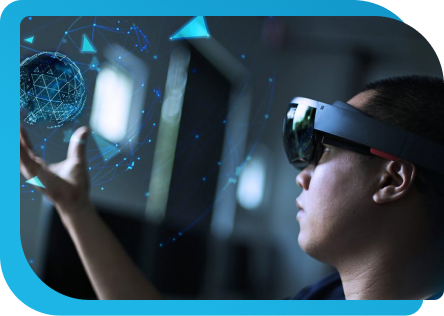
As Extended Reality (XR) continues to revolutionize industries ranging from healthcare to retail to education, more organizations are exploring how Virtual Reality (VR), Augmented Reality (AR), and Mixed Reality (MR) can enhance their operations and customer experiences. However, building a successful XR application isn’t a one-size-fits VR development-all process—it requires specialized expertise, creative innovation, and a deep understanding of the end user. Choosing the right XR development agency can make the difference between a forgettable experiment and a breakthrough product. So what should you look for when evaluating potential partners?
First and foremost, technical capability and platform experience are non-negotiable. XR development involves a complex mix of 3d modeling, real-time rendering, and interactive programming using platforms like Unity or Unreal Engine. A qualified agency should demonstrate proficiency in building XR solutions across various devices—ranging from mobile AR (iOS/Android) to advanced VR headsets like Meta Quest, HTC Vive, or enterprise-grade AR devices like Microsoft HoloLens. Ask for case studies or demos that showcase real projects and how the agency handled performance, interactivity, and platform limitations.
Equally important is the agency’s understanding of your industry and use case. An XR solution built for a museum exhibit will differ significantly from one designed for warehouse training or virtual product demos. Agencies with a history of serving clients in your industry can more effectively anticipate challenges and design solutions that meet specific needs. They’ll understand relevant compliance issues, user behavior, and goals—whether it’s user engagement, education, or sales conversion. Look for partners who ask intelligent questions about your audience, objectives, and desired outcomes early in the conversation.
Another key consideration is the agency’s design philosophy and user experience expertise. XR is not just about building cool visuals—it’s about delivering intuitive, immersive interactions that make users feel present and in control. Poorly designed XR experiences can be disorienting or confusing, while well-designed ones feel natural and even delightful. Ask about the agency’s process for UX research, prototyping, and user testing. Do they conduct usability testing with real users? Do they consider accessibility and motion comfort in their designs? These factors directly affect the success and adoption of your XR product.
Strong agencies also excel in project management and communication. XR development projects can be complex, involving multiple stakeholders, iterative design cycles, and tight timelines. Look for a team that practices agile methodologies and keeps you involved throughout the development process with clear milestones, feedback loops, and transparency on budget and scope. Effective collaboration tools, status updates, and responsiveness to feedback are all signs of a partner who will make the process smooth and stress-free.
Lastly, consider the agency’s approach to long-term support, analytics, and scalability. A great XR experience doesn’t end at launch. Your partner should offer maintenance, performance tracking, and insights to help you optimize and evolve the product. Can they add features or port the experience to new platforms in the future? Do they provide analytics to measure engagement, dwell time, or ROI? Choosing a partner with a post-launch mindset ensures your XR investment grows and adapts as your needs evolve.
In a rapidly growing and ever-evolving field like XR, choosing the right development agency is not just about technical skill—it’s about strategic alignment, creative collaboration, and shared vision. The ideal partner will not only execute your idea but help shape and elevate it, pushing the boundaries of what’s possible with immersive technology. By focusing on experience, industry fit, communication, and post-launch value, you can confidently choose an XR partner that will help your brand thrive in the immersive future.