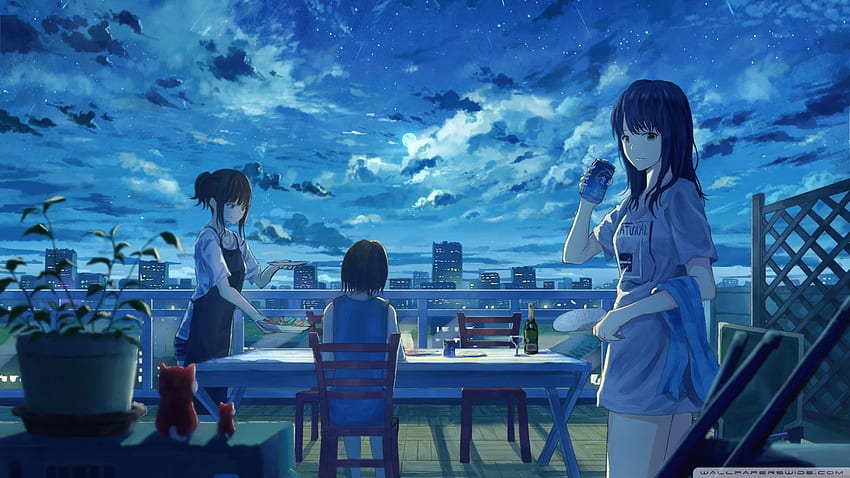
Paragraph 1 The Evolution of Classic Anime Art Classic anime art styles, characterized by their distinctive features and aesthetic choices, laid the foundation for the medium’s visual identity. Early anime, such as Astro Boy (Tetsuwan Atom) and Dragon Ball, showcased a style marked by large, expressive eyes, simplified facial features, and bold, colorful designs. This iconic look was influenced by early manga artists like Osamu Tezuka, whose work emphasized clarity and emotional ai sexting expression. The classic art style’s influence is evident in its clean lines, vibrant colors, and character designs that emphasize personality and action. These foundational elements continue to impact anime aesthetics, providing a nostalgic touch for long-time fans and setting a standard for new creators.
Paragraph 2: The Rise of Diverse Art Styles As anime evolved, so did its art styles, reflecting a broader range of artistic influences and innovations. The 1990s and early 2000s saw a diversification in art styles, with series like Neon Genesis Evangelion and Cowboy Bebop introducing more detailed and nuanced visuals. These shows often featured intricate backgrounds, complex character designs, and a blend of traditional and digital techniques. This period marked a shift towards more realistic and varied art styles, incorporating elements from Western animation and contemporary art. The emergence of these diverse styles allowed anime to explore new visual expressions and appeal to a wider audience, highlighting the medium’s versatility and creativity.
Paragraph 3: The Impact of Studio Ghibli and Iconic Directors Studio Ghibli, founded by Hayao Miyazaki and Isao Takahata, has had a profound impact on anime art styles with its distinct and highly detailed approach. Films like Spirited Away and My Neighbor Totoro feature lush, hand-drawn animation and meticulously crafted backgrounds that create immersive and enchanting worlds. Miyazaki’s work, in particular, is known for its fluid animation, intricate character designs, and rich color palettes, which have set a high standard for artistic quality in anime. The influence of Studio Ghibli extends beyond its films, inspiring many other studios and creators to adopt similar techniques and push the boundaries of visual storytelling in anime.
Paragraph 4: The Advent of Experimental and Avant-Garde Styles In recent years, anime has embraced more experimental and avant-garde art styles, reflecting a growing interest in pushing the boundaries of visual storytelling. Series like the Tatami Galaxy and Mind Game utilize unconventional techniques, such as distorted animation, abstract visuals, and mixed media, to create unique and thought-provoking experiences. These experimental styles often break traditional norms, employing a wide range of artistic approaches to convey complex themes and emotions. By integrating innovative techniques and artistic experiments, these anime challenge viewers’ expectations and expand the possibilities of what anime art can achieve.
Paragraph 5: The future of Anime Art Styles The future of anime art styles promises further exploration and innovation, driven by advancements in technology and changing artistic trends. Digital animation tools, virtual reality, and AI are poised to influence the development of new styles and techniques, allowing for even greater creativity and experimentation. As anime continues to evolve, it is likely to incorporate a diverse array of influences, from global art movements to emerging technologies. The dynamic nature of anime art ensures that the medium will remain vibrant and ever-evolving, with each new generation of artists contributing to its rich visual tapestry and pushing the boundaries of artistic expression.
In conclusion, anime art styles have evolved from classic, iconic designs to a diverse and experimental range of visual expressions. The influence of early anime, the impact of renowned studios like Studio Ghibli, and the rise of avant-garde styles reflect the medium’s capacity for innovation and creativity. As technology and artistic trends continue to shape the future of anime, the art styles will undoubtedly evolve, offering new and exciting ways to experience and appreciate this dynamic form of storytelling.