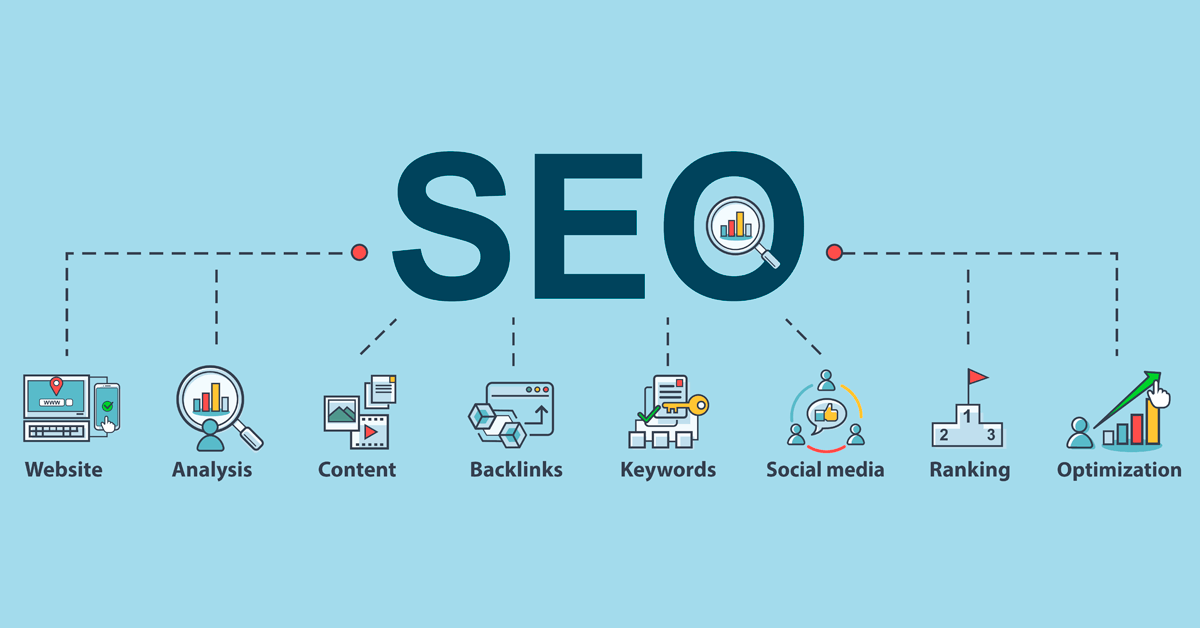
Search engine optimization is constantly evolving, and what worked a few years ago might now hurt your rankings. In 2025, SEO is less about tricking search engines and more about delivering value to users. Yet many website owners still fall into avoidable traps that can hold back their progress. Whether you’re new to SEO or refreshing your strategy seo , understanding these common mistakes is essential to keeping your site competitive in search results.
- Ignoring Mobile Optimization
One of the biggest SEO mistakes in 2025 is neglecting mobile users. With over 60% of web traffic now coming from smartphones, Google uses mobile-first indexing—meaning your mobile site is what gets evaluated first. A website that’s not mobile-friendly can lead to poor rankings and high bounce rates. Use responsive design, avoid intrusive popups, and ensure fast load times across all devices to deliver a smooth mobile experience. - Keyword Stuffing or Using Outdated Keyword Tactics
Keyword optimization is still important, but keyword stuffing—repeating the same terms over and over—will do more harm than good. Google’s algorithms are smarter than ever and prioritize natural, readable content. In 2025, successful SEO is about semantic search and user intent. Instead of cramming keywords into your content, focus on answering questions thoroughly and using related terms (LSI keywords) to provide context and relevance. - Publishing Thin or Duplicate Content
Many websites struggle with thin content—pages with very little useful information. Search engines want to serve users the most helpful and complete answers. If your content is low-value or copied from elsewhere, it won’t rank well. Avoid duplicate content (even across your own site), and aim to create unique, in-depth articles that solve real problems. Prioritize quality over quantity, and always write for the user, not just for search engines. - Neglecting Technical SEO and Site Structure
Even with great content, a poorly structured or slow site can hold you back. Technical SEO includes things like URL structure, internal linking, crawlability, sitemaps, and site speed. If search engines can’t properly crawl your site, your pages won’t be indexed. Use tools like Google Search Console, Screaming Frog, or Yoast SEO to audit your site for errors. Fix broken links, optimize images, and make sure your site is easy to navigate and index. - Forgetting About User Experience (UX)
In 2025, Google cares just as much about how users interact with your site as it does about content and keywords. A poor user experience—confusing navigation, annoying popups, slow loading, or bad design—can increase bounce rates and hurt your SEO. Focus on clear layouts, fast page loads, and intuitive navigation. Make sure your content is easy to read on all devices, and provide clear calls-to-action (CTAs) to guide visitors naturally through your site. - Not Tracking Performance and Failing to Adapt
Many businesses make the mistake of “set it and forget it” SEO. But SEO is a long-term game, and algorithms constantly change. If you’re not tracking your site’s performance, you won’t know what’s working—or what’s not. Use Google Analytics, Search Console, and keyword tracking tools to monitor your rankings, traffic, and conversions. Learn from the data, adjust your strategy as needed, and stay up-to-date with industry trends to maintain and improve your results.