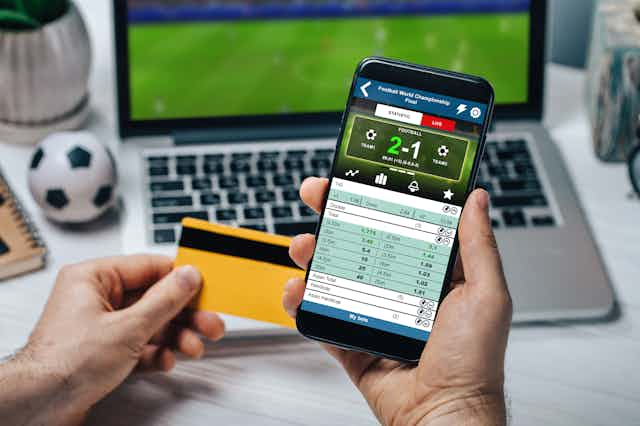
Online gambling has surged in popularity in recent years, offering a convenient and accessible way for players to enjoy their favorite casino games, sports betting, or poker from the comfort of their homes. While this convenience can be fun and exciting, it also raises important questions about the potential for gambling addiction. In this singawin article, we will explore whether online gambling can be addictive, the psychological factors that contribute to addictive behaviors, and most importantly, how players can gamble responsibly to ensure their experience remains enjoyable and safe.
- The nature of Online Gambling and Addiction
Online gambling, like any form of gambling, involves the risk of developing addictive behaviors. However, the nature of online gambling can sometimes amplify these risks. Unlike land-based casinos, online platforms are available 24/7, providing easy access to gambling from anywhere at any time. This constant availability can blur the lines between casual gambling and compulsive gambling. With the click of a button, players can wager money on casino games, sports, or even virtual slots, leading to the possibility of impulsive decisions and prolonged gambling sessions.
The psychological triggers in online gambling—such as the allure of big wins, the thrill of risk-taking, and the instant feedback from winning or losing—can activate the brain’s reward system. This system is controlled by dopamine, a neurotransmitter that plays a major role in pleasure and addiction. Each time a player wins, dopamine is released, creating a feeling of euphoria. For some individuals, this cycle of wins and losses can lead to a pattern of risky behavior, making it difficult to stop gambling even when it becomes detrimental to their finances or well-being.
- Psychological Triggers and Cognitive Biases
Several psychological factors contribute to the addictive nature of online gambling. One of the most common is the “near-miss” phenomenon, where players almost win, such as when three symbols on a slot machine line up but miss by one position. This feeling of almost winning can be just as rewarding—if not more so—than actually winning, as it tricks the brain into thinking success is just around the corner. This type of reinforcement can lead players to continue gambling in hopes of eventually hitting that big win, even after a series of losses.
Another cognitive bias that contributes to gambling addiction is the illusion of control. This occurs when gamblers believe they can influence the outcome of a game, even in games of pure chance like slots or roulette. Online gambling sites often play into this bias by offering games with seemingly “controllable” features, such as auto-spin in slots or decisions about bets in blackjack. These features create the illusion that players can affect the outcome, leading them to gamble longer and more frequently.
- Signs of Gambling Addiction and when to seek Help
Recognizing the signs of gambling addiction is crucial for preventing it from escalating. Some common warning signs include:
Gambling more than you can afford: Spending more money on gambling than you had planned, borrowing money to gamble, or chasing losses can be red flags for addiction.
Increased time spent gambling: If you find yourself gambling more frequently and for longer periods, to the detriment of other activities or responsibilities, it could indicate an unhealthy obsession.
Neglecting personal relationships: If gambling is starting to take priority over spending time with loved ones or engaging in social activities, this can be a sign of compulsive behavior.
Emotional distress: Feelings of anxiety, guilt, or depression related to gambling, as well as the desire to gamble to escape negative emotions, are serious signals of addiction.
If you notice any of these signs, it’s important to take immediate action. Many online gambling sites offer self-exclusion tools that allow players to block themselves from accessing their accounts for a set period or permanently. Additionally, professional help is available from organizations like Gamblers Anonymous and GamCare, which offer counseling, support groups, and resources to help individuals struggling with gambling addiction.
- How to Gamble Responsibly
While online gambling has the potential to be addictive, it can still be a fun and entertaining activity when done responsibly. Here are some key tips for playing responsibly:
Set a budget: Before you start gambling, decide how much money you are willing to risk. Set a budget and stick to it, never gambling more than you can afford to lose. Treat gambling as a form of entertainment, not a way to make money.
Set time limits: Limit the amount of time you spend gambling in one session. Taking regular breaks can help prevent the urge to gamble impulsively or excessively. It’s also a good idea to take a day off from gambling each week to maintain balance.
Avoid gambling while emotional: Gambling when you’re feeling stressed, anxious, or depressed can cloud your judgment and lead to reckless decisions. Always ensure that you are in a calm and clear state of mind before gambling.
Utilize responsible gambling tools: Many online gambling sites provide tools that allow players to manage their gambling behavior. These include deposit limits, time-outs, and self-exclusion options. Take advantage of these features to control your gambling and stay within your limits.
Seek help if needed: If you feel that gambling is becoming a problem, don’t hesitate to seek help. There are numerous support organizations and counseling services available to help individuals overcome gambling addiction and regain control over their lives.
- The Role of Online Gambling Platforms in promoting Responsible Play
Online gambling platforms also have a responsibility to promote safe gambling practices. Reputable gambling sites take measures to protect players from addiction by offering a variety of responsible gambling tools. These may include:
Deposit and loss limits: Allowing players to set maximum limits on how much they can deposit or lose within a specific period helps reduce the risk of excessive gambling.
Self-exclusion programs: Providing players with the option to temporarily or permanently exclude themselves from the platform is an important feature in combating addiction.
Access to support resources: Many online casinos and sportsbooks offer links to problem gambling support organizations and resources directly on their websites, making it easier for players to seek help when needed.
Additionally, some platforms work with third-party organizations to audit their games and ensure that they are fair and transparent. This reduces the likelihood of gambling becoming a compulsive behavior driven by unrealistic expectations of winning.
Conclusion: Responsible Gambling for a Safe and Enjoyable Experience
While online gambling can certainly be addictive, it is possible to enjoy it responsibly by understanding the risks and taking proactive steps to manage your behavior. Setting budgets, limiting time spent gambling, and utilizing responsible gambling tools are all effective ways to keep your gambling experience enjoyable and in control. If you or someone you know is struggling with gambling addiction, help is available through various support organizations and online resources. Ultimately, gambling should remain a fun and exciting form of entertainment, and by practicing responsible play, you can ensure that it stays that way.