Why dead zones are more than an aesthetic problem
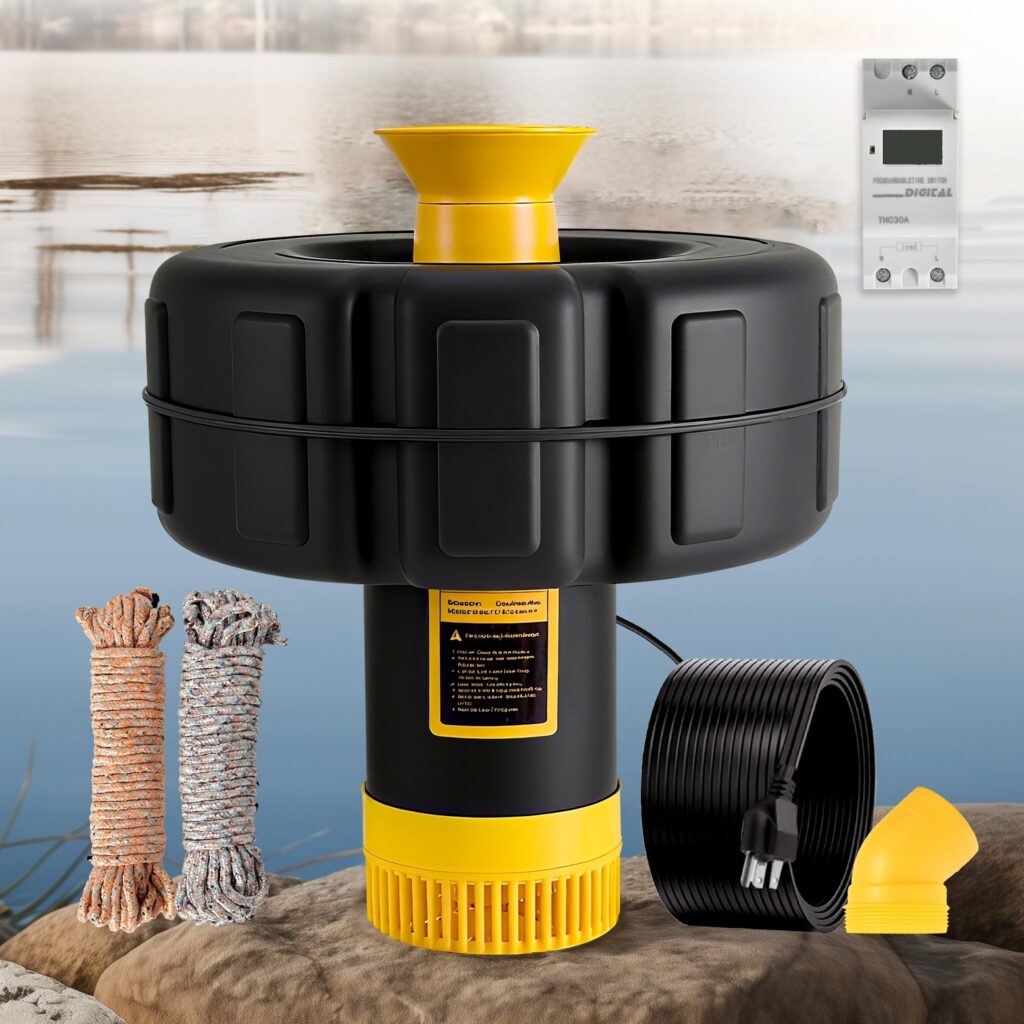
Ponds with quiet corners—those shallow bays and tucked-in coves—look peaceful but often hide low dissolved oxygen (DO) and nutrient build-up. Left unchecked, these dead zones invite algae blooms and foul odors. Start by considering active aeration: a well-matched water aerator for pond or strategic circulation can be the difference between a crystal surface and a summer mess. Think of aeration and circulation as the HVAC of your water feature: both control flow, temperature gradients, and long-term health.
Spotting stagnation: quick diagnostics
Walk the perimeter after sunset and again at dawn. Look for three signs: surface scum or sudden algae mats, sluggish or no movement in sheltered zones, and an increase in odors. Measure temperature across depths if you can—thermal stratification is a reliable indicator of poor oxygen transfer. Even a simple observation of where leaves pile up or where koi cluster will tell you where circulation is failing.
Solution spectrum: aerators, diffusers, and floating fountains
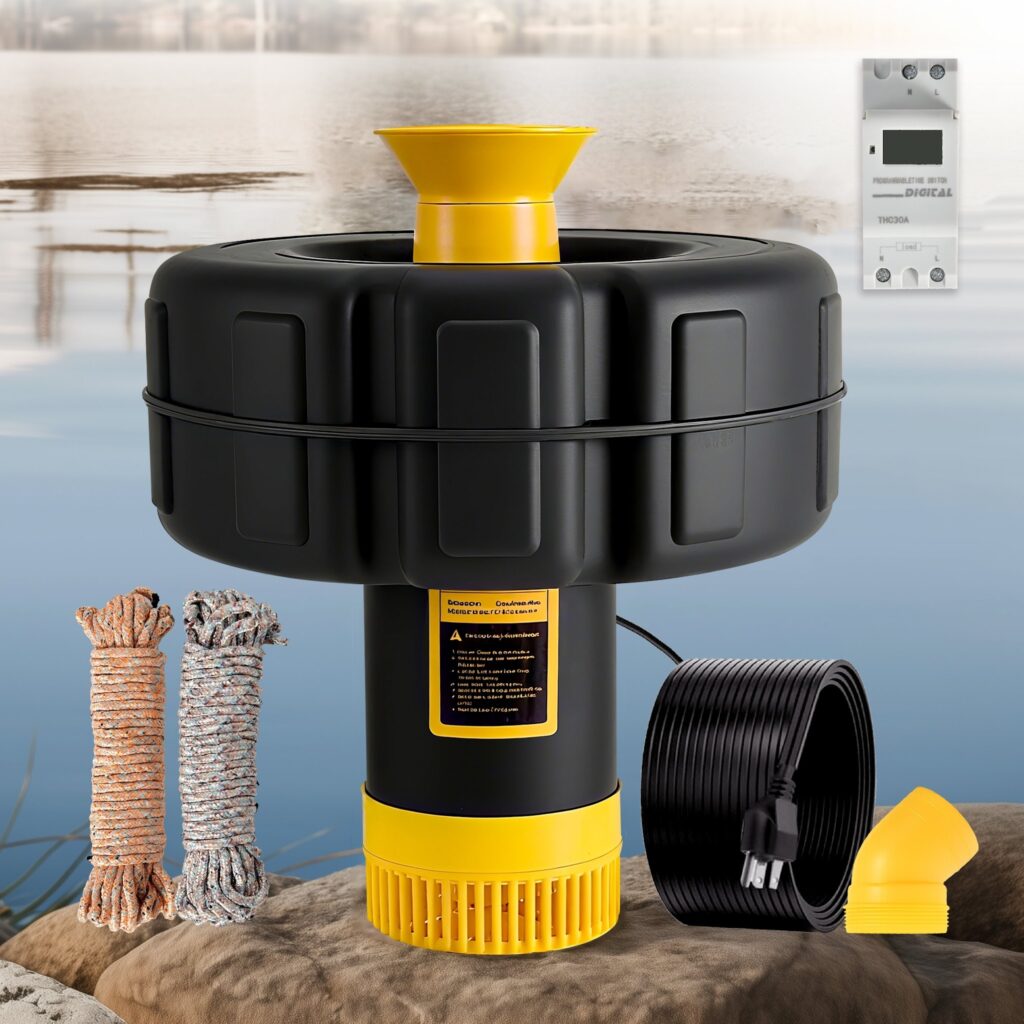
There’s no one-size-fits-all fix. Options include diffused aeration systems that use a submerged diffuser to lift water and boost oxygen transfer, mechanical surface aerators for strong mixing, and decorative floating water fountain for pond units that combine spray patterns with circulation. Each brings trade-offs: diffused systems are quiet and efficient but require submerged compressors and tubing; fountains are visually pleasing and encourage surface turnover but may not oxygenate deep pockets as well. Match the tech—diffuser, impeller strength, or nozzle pattern—to the pond’s depth and volume.
Designing placement and power for results
Placement matters more than power alone. Aim a diffuser or fountain so its flow sweeps sheltered bays and moves water along the longest axis of the pond; that maximizes turnover. Consider head pressure and pump HP relative to the chosen nozzle or diffuser—undersized pumps give pretty water but limited circulation, oversized pumps waste energy. If you’re retrofitting, map circulation vectors before you buy: a well-placed 1 HP unit can outperform a poorly sited 2 HP setup when it comes to eliminating dead zones.
Common mistakes and how to avoid them
People often chase looks over function. They install a decorative fountain in the middle and assume it will solve edge stagnation—nope. Other traps: using a diffuser sized for a larger pond (causes short-cycling) or ignoring intake screens and clogging. Test components with a temporary rig before committing. —And remember: seasonal variation matters; a system that works in spring might need tweaks in late summer.
Real-world anchor: lessons from large bloom events
Major algal crises—like the well-documented cyanobacterial blooms on Lake Taihu—underscore how stagnation and nutrient loading compound into municipal headaches. Those events prompted large-scale aeration and flow-restoration projects because once blooms take hold, remediation costs and public health impacts spike. The takeaway: proactive circulation and targeted aeration reduce the chance you’ll face expensive emergency fixes.
Choosing between an aerator and a fountain: a practical comparison
Use this quick checklist to decide: depth and volume (deep ponds favor diffused aeration), desired visual impact (fountains win), noise tolerance (diffusers are quieter), and maintenance access. Also weigh operating costs: nozzle-based fountains lose water to spray and may increase evaporation; diffused systems typically have higher initial setup complexity but lower runtime losses. If aesthetics are required without sacrificing function, hybrid setups—diffused aeration for DO plus a decorative floating fountain for surface turnover—often hit the sweet spot.
Common retrofit mistakes to avoid
Skipping a baseline DO test, mismatching pump head to nozzle specs, and ignoring seasonal inlet/outlet freeze-thaw stresses are frequent errors. Plan for winterizing if you live where ponds freeze, and always install a serviceable access point to clean diffusers and intake screens. Small design choices now save big maintenance hassles later.
Three golden rules for selecting the right pond strategy
1) Match tech to hydrology: prioritize diffused aeration when you need deep oxygen transfer; choose fountains when surface turnover and aesthetics are the goal. 2) Optimize placement, not just power: orient flow along the pond’s longest axis and target sheltered bays. 3) Evaluate lifecycle costs: include energy draw, maintenance access, and seasonal performance in your ROI—not just the sticker price.
Final thought
When you design for function first, style second, you end up with a healthy pond that also looks great. That practical balance—smart aeration, sensible placement, and a touch of visual flair—is exactly the kind of integrated value smart home and landscape solutions deliver at scale. Orison. —